
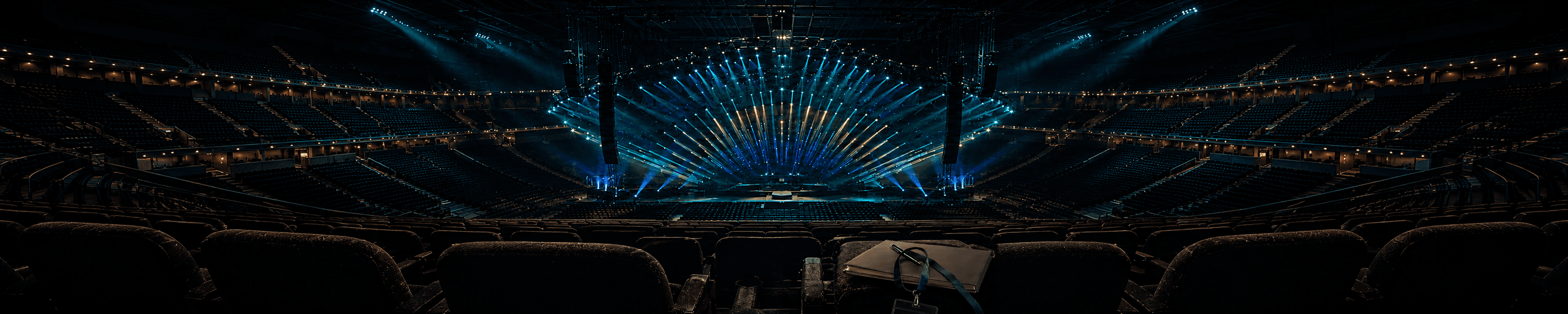
Salesforce doesn't sell concert tickets. They sell software that helps businesses manage their customers. And yet for most years since 2007, they've closed their huge annual conference in San Francisco with a concert. INXS, the Foo Fighters twice, Stevie Wonder, Metallica twice, Red Hot Chili Peppers, Green Day, Bruno Mars, U2, Fleetwood Mac, and this October, Metallica again at San Francisco's Chase Center, tickets starting from $1,500 each.
If you're deciding whether to keep paying for a piece of software, I'd be surprised if you were thinking about whether you want to see a concert first. I'd probably think you're checking whether the software works properly, whether it's worth what it costs, or whether there's something better out there. A list of features would tell you far more about the product than Metallica ever will. The basic rule for spending money well says that cash should have gone into research and development instead, making the software itself better.
Except the concert isn't there to describe the product, it's there to describe the company paying for it.
Spending millions on something that has nothing to do with your software is a way of making a statement: we have money to spare and we're not going anywhere. If you're about to run your business on someone else's software for the next five years, that's a big thing you'll want to know. It's the same logic behind the old saying that nobody ever got fired for buying IBM: picking the safe, obviously durable option protects the person making the decision, not just the business. A struggling company can write a confident press release easily enough. Booking a real concert with a famous band, three years running since the pandemic, is a much harder thing to fake.
Biologists have a name for this: the handicap principle. A peacock's tail is a genuine handicap: heavy, expensive to grow, and easy for a predator to spot. In 1975, the biologist Amotz Zahavi argued that this is exactly why it works as a signal to a mate. A sick or weak peacock can't grow one and survive. That's what makes the tail believable: a weak bird simply can't fake it.
Salesforce's concert also raises money for children's hospitals in San Francisco, more than $120 million over the years, real money for a noble cause. It also gets Salesforce good press, and makes a company that sells something as dull and complicated as software feel fun and exciting. That's a genuine benefit, not a distraction from the software. A company that's struggling rarely headlines Metallica and gives a hospital nine figures in the same week.
This matters for any B2B company, not just software firms. When a company looks for ways to cut costs, it often asks: what is this expensive event actually doing for us? What does an expensive dinner achieve that a phone call couldn't? Judged against the product itself, the answer is probably nothing. Judged against what the customer is actually trying to work out, whether you'll still be around and doing well in a few years, it might be the most valuable line in the budget.