
The room
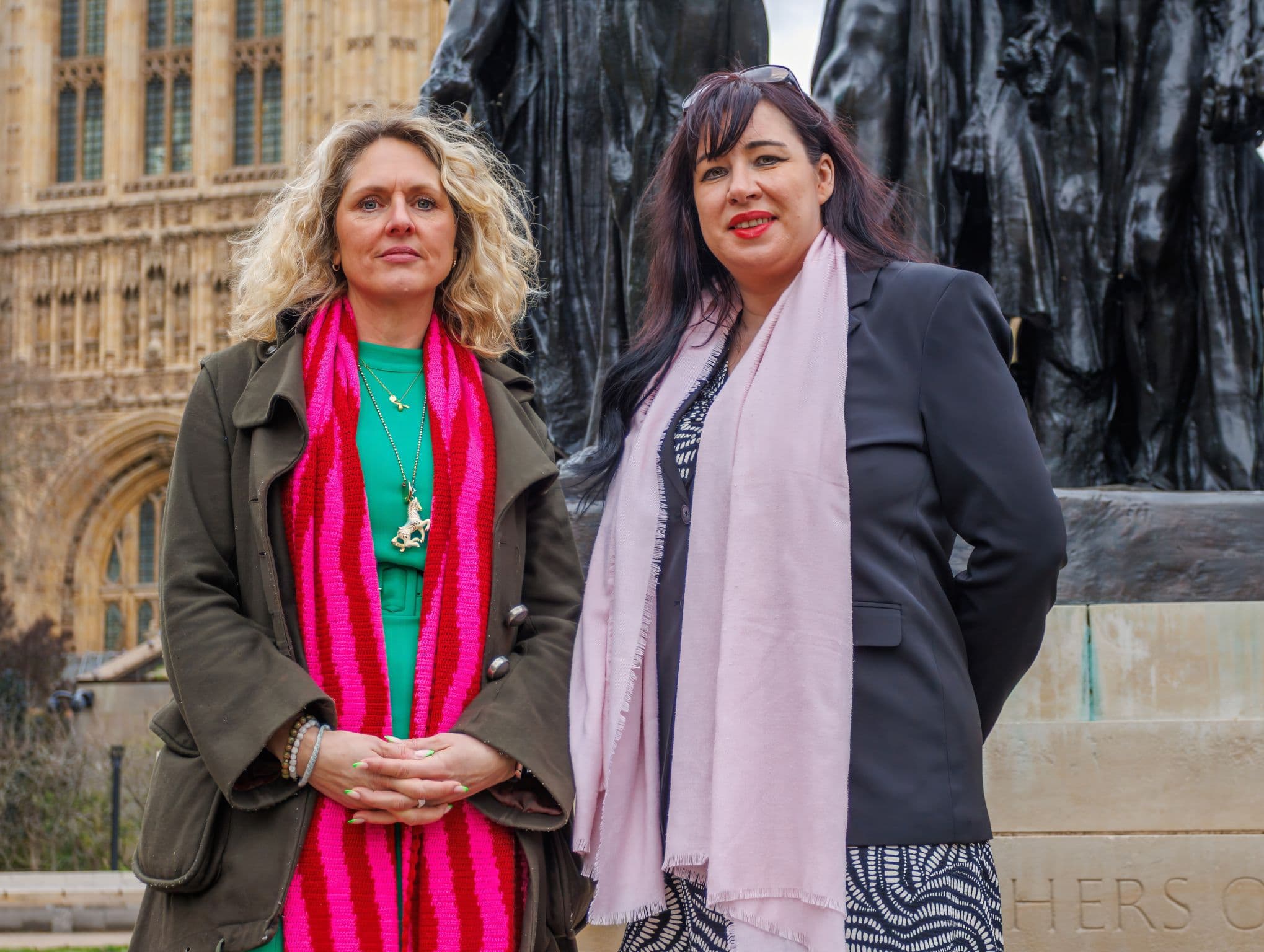
The Impact and Sustainability Summit at the UK House of Lords brought together a cross-section of the people trying to move the energy transition from ambition to deployment: investors, founders, enterprise leaders, and policy practitioners. The conversations that run through events like this tend to be diagnostic — what is working, what is stalling, and where the constraints are proving most stubborn.
The constraint that surfaced most consistently last Thursday was not technological. It was communicative.
The observation
A clear thread ran through the discussions: the gap between what climate and green technology businesses are building and what the people who could fund, adopt, or scale those businesses are actually able to understand and trust. Ambition, in this sector, is not in short supply. The ability to translate that ambition into propositions that move — through procurement, through investment, through regulatory approval — is.
Lulu put it directly in her address: "We don't have an innovation shortage. We have a 'being heard' shortage."
The observation landed because it names something that practitioners in the room recognise but rarely say clearly. The pipeline of climate and green technology innovation is substantial. The conversion rate — from innovation to deployment, from proposition to adoption, from technology to trusted solution — is not. Many ventures stall not because the underlying technology falls short of what is claimed for it, but because the proposition is unclear, the pathway to adoption is uncertain, or the case for trust has not been made in terms that the relevant audience can evaluate.
This is not a failure of the technology. It is a failure of translation.
The practical framework
Alongside the diagnostic, Lulu offered something concrete: a set of adjustments that determine whether an innovation progresses or stalls in the critical early stages of market adoption.
The starting point is identification. Before anything else, founders need to know who their first real buyer actually is — not their target market in the abstract, not the category of organisation that ought to be interested, but the specific buyer whose problem is acute enough, whose budget is available, and whose procurement process is navigable within a defined timeframe. Without that specificity, everything else is positioning in a vacuum.
From there, the work is distillation. What would make that buyer say yes within 90 days? The answer to that question — honest and precise — is the pitch. Not the full vision. Not the technology roadmap. The specific, demonstrable value that is available to this buyer, now, in terms they can take into their own organisation and defend.
That requires plain language — a rewrite of whatever the current version of the pitch is, stripped of the vocabulary that makes sense inside the organisation and replaced with the vocabulary that makes sense to the buyer. It requires proof compressed into three measurable outcomes: not a comprehensive evidence base, but the three data points that do the most work in establishing credibility. And it requires the removal of complexity that is not doing commercial work — the qualifications, the caveats, the contextual detail that founders include because it feels accurate but that dilutes rather than strengthens the case.
These are not cosmetic adjustments. In sectors shaped by long development cycles, regulatory scrutiny, and the kind of institutional caution that attaches to decisions with long-term consequences, the clarity of a proposition is directly connected to its credibility. The two are not separate concerns.
Why this perspective belongs in this room
The Impact and Sustainability Summit draws people who are trying to move capital and capability toward outcomes that matter. The conversation about how innovation gets adopted is, in that context, a conversation about whether the transition actually happens — at the speed and scale the moment requires.
Lulu's work at IMCC sits at the intersection of narrative and performance: helping organisations in complex, scrutinised sectors build the communications capability that allows good ideas to travel. The argument she made at the House of Lords — that clarity is not cosmetic but catalytic — is the argument that runs through IMCC's practice across energy, infrastructure, dual-use technology, and growth-stage businesses navigating credibility transitions.
We are proud to see that perspective contributing to the conversations that shape how this sector moves.